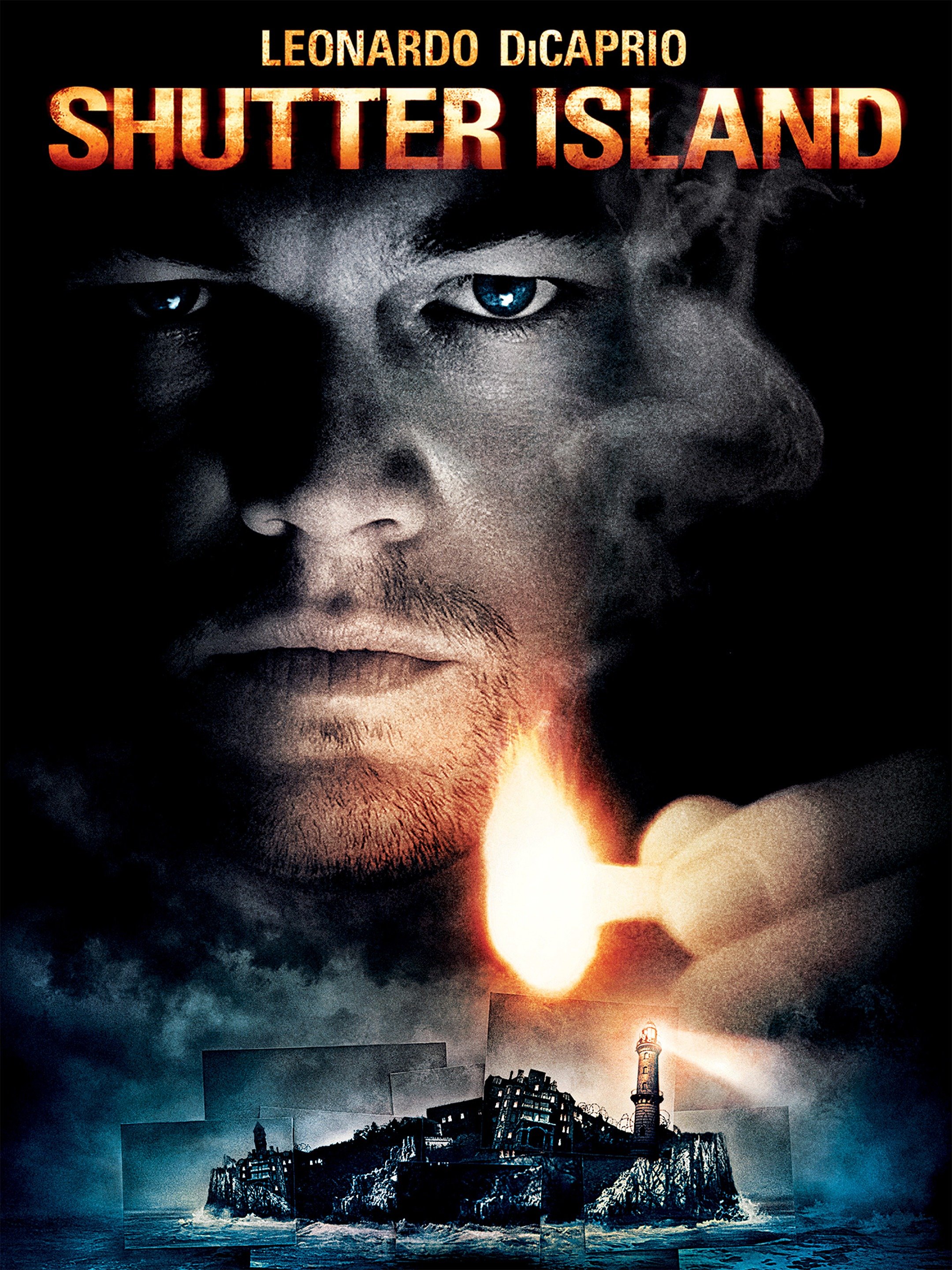
At first glance, Shutter Island may seem like a twisting narrative that refuses to play fair with the audience, but it does the complete opposite. We're left guessing not because Scorsese's refusing to show us key elements, but because we're following an unreliable protagonist and see everything as he does. The mystery of Shutter Island isn't what happened to Rachel Solando, but how far can we trust Teddy Daniels? Traversing the island, we see a twisted landscape of falling trees, jagged cliffs, hidden caves, an old civil war fort that houses the most dangerous inmates, and a lighthouse where lobotomies and surgical experiments may be occurring. There are no easy answers on Shutter Island but there aren't any tricks either. Scorsese drenches Shutter Island in madness but not in the clichéd ways of overt, distracting symbolism or epilepsy-inducing camerawork and editing. Instead, he and cinematographer Robert Richardson compose beautiful, haunting shots where everything drifts down from the heavens. We experience the ashes of his torched apartment, the snowflakes falling on the corpses Teddy saw when he liberated Dachau, the leaves and rain crushing down from the hurricane that keeps Teddy and Chuck captive on the island. It's an ethereal world of deterioration, submersion, and fire. Counter-balancing surreal cinematography is Thelma Schoonmaker's editing, which keeps the film off-kilter. She removes frames, cuts into dreams, but always puts the atmosphere beyond all else. The Oscar-winning editor understands that this is the world as Terry perceives it, not one that's meant to deceive, spook, or confuse us with trick cuts. The film does run slightly longer than it needs to, but the cutting of the individual scenes always fits the mood whether it is urgency, tragedy, obsession, or whatever else the story demands. Known as a master of using music to elevate his movies, Scorsese pulls off one of his most difficult and impressive aural accomplishments to date. The eclectic soundtrack features music by Brian Eno, Johnnie Ray, Max Richter, and more. The film opens with the bold, oppressive "Fog Tropes," and without Scorsese's complete confidence and command of every other element of his film, this tune along with many others would feel corny and overbearing.
Cast:
- Leonardo Di Caprio: Teddy Daniels
- Mark Ruffalo: Chuck Aule
- Ben Kingsley: Dr. John Cawley
- Michelle Wiliams: Dolores Chanal
- Emily Mortimer: Rachel Solando